
Trailing as mindfulness
2/27/20263 min read
Trailing as mindfulness
Trailing is the process of following a series of tracks and signs left behind after a creature moved through an area, and trying to find it.
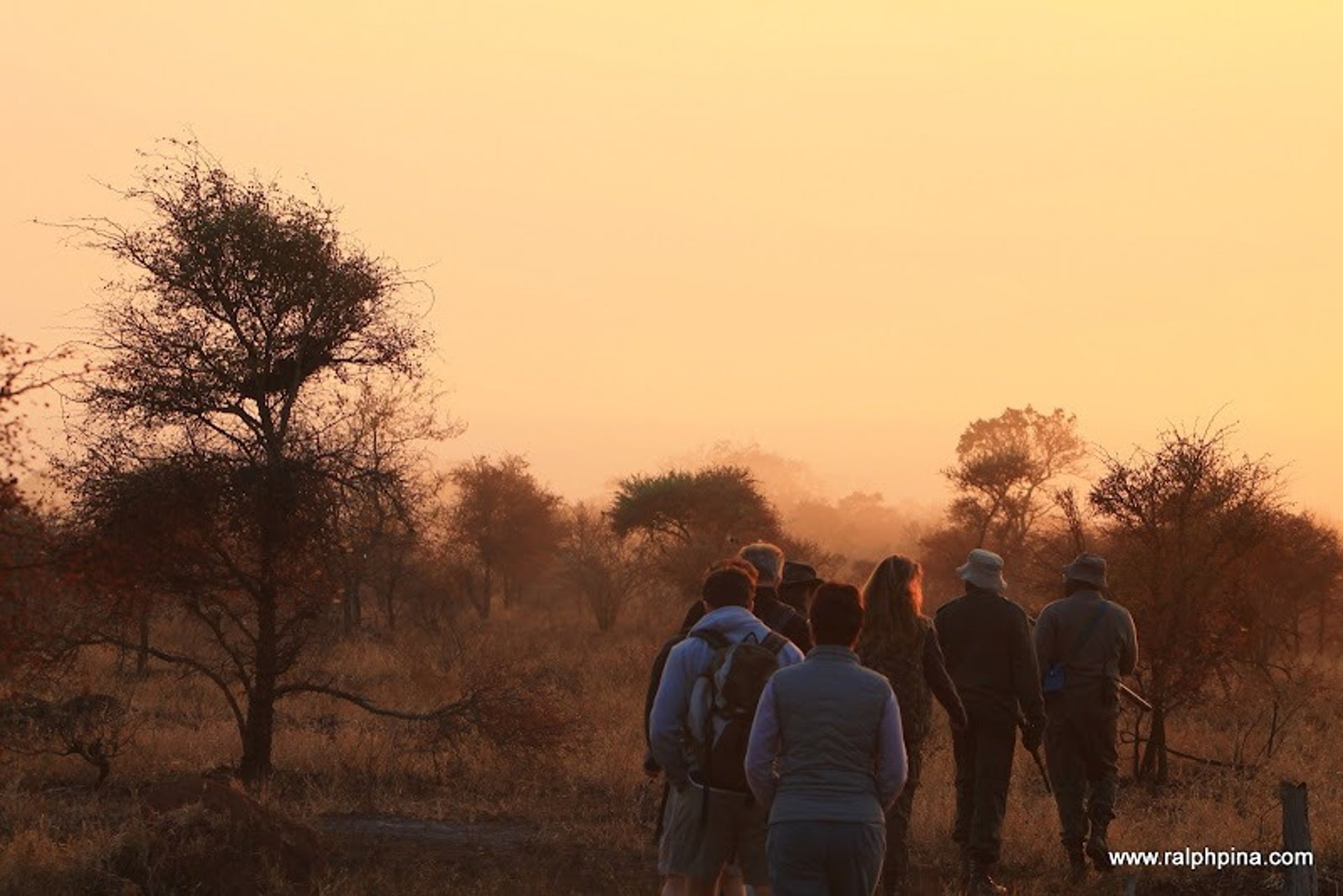
Once you find the start of a trail, the faint outline of prints, the crushed grass, the broken twig - something in your attention shifts. It is a quiet, deliberate narrowing of focus that feels like a practiced breath. Unnecessary thoughts fall away. Smell sharpens. Every distant sound becomes a possible clue. Your eyes stop skimming and begin to read. In that moment you are not merely observing the landscape, you are listening to it.
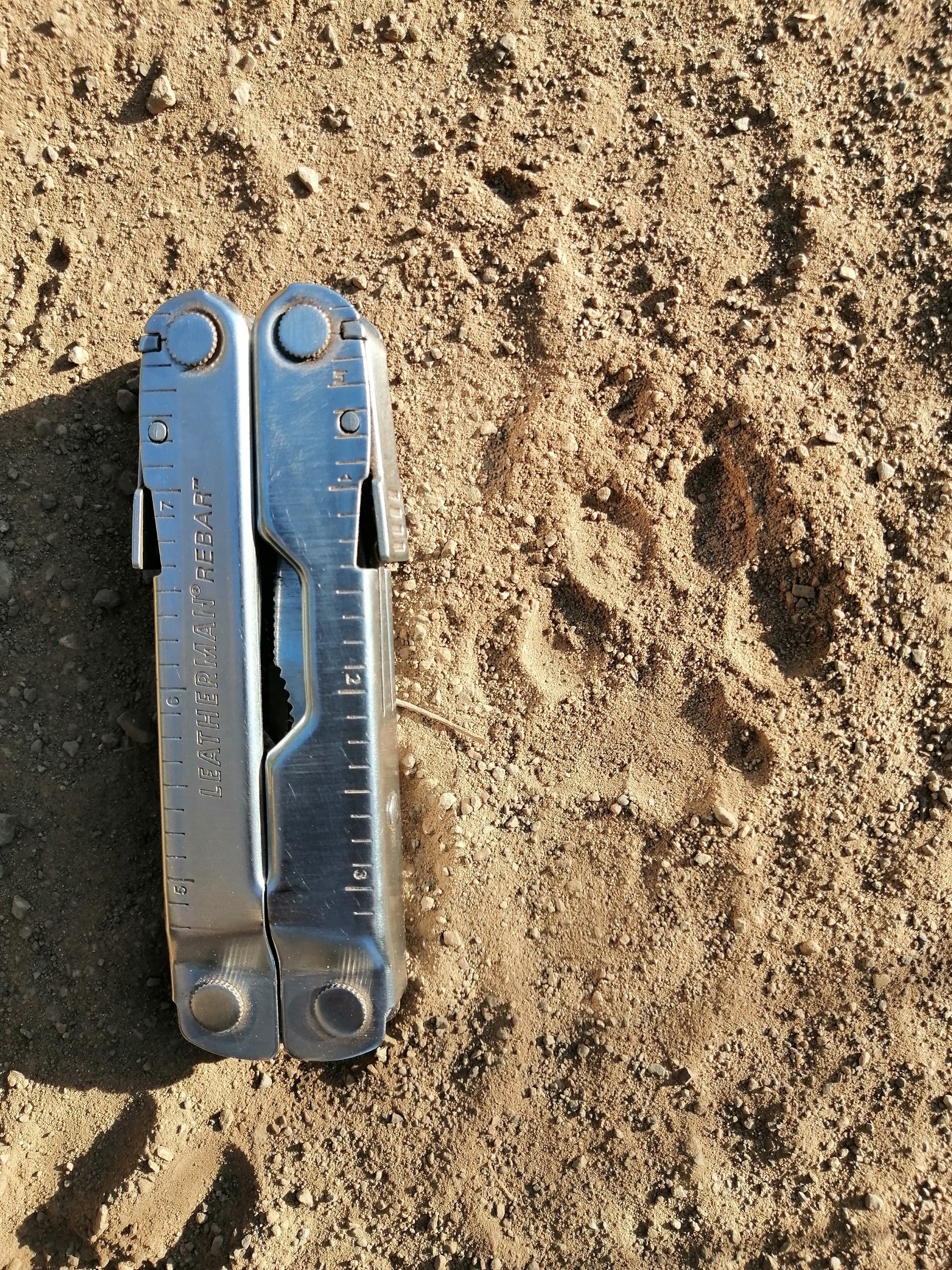
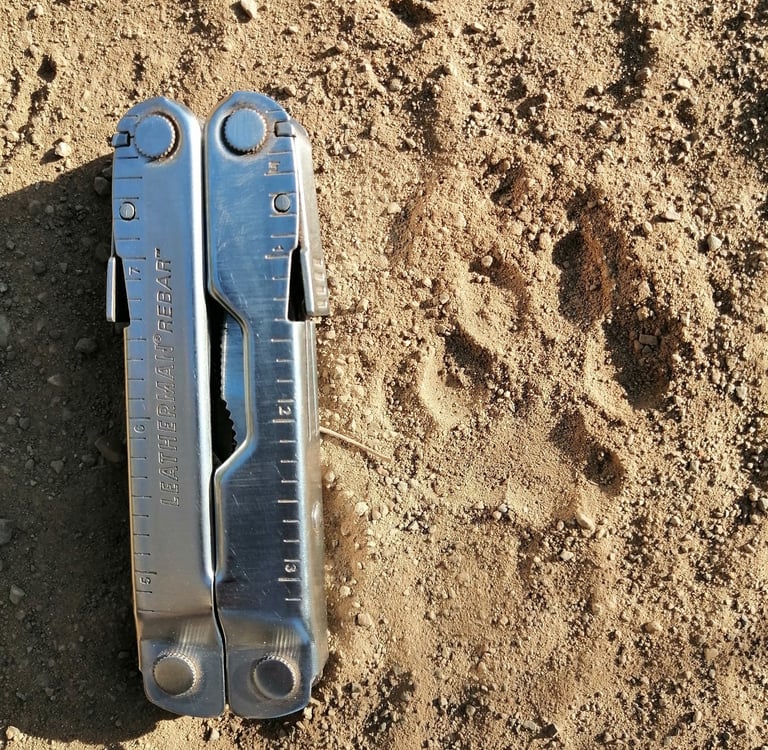
Trailing asks you to do one simple, radical thing: try to inhabit the animal’s world. Why does a white rhino hug the scrubby edge instead of walking the open path? Not for drama, not for spectacle, but to scratch the flies from its back beneath the low branches. That small, practical choice reveals a whole economy of survival. Each decision an animal makes is a sentence in a larger story about food, fear, weather, and kin.
Reading tracks trains you to think in those sentences. The depth of a hoofprint tells you weight and speed. The spacing between prints tells you whether the animal was walking, trotting, or running. A smear of mud on a leaf or a broken seed pod in the undergrowth becomes evidence of behavior, not just presence. Over time you begin to see patterns where others see only ground. You learn that a line of prints angled toward a dry riverbed at dawn often means a herd following the scent of water. You learn that a fresh scrape beneath a thorn bush can mean a male staking a claim. These are small truths, but they change how you move through the world.
Trailing also teaches patience. The impulse to rush forward and “find” the animal is almost always counterproductive. The land reveals itself on its own timetable. You slow, you wait, you let the trail speak. In that waiting you notice things you would otherwise miss: the way light pools in a hollow, the sudden chorus of insects after a long silence, the tiny tracks of a mongoose that cross the rhino’s path and then vanish. Each detail is a thread that, when followed, unravels a richer picture.
There is humility in this practice. You are not the protagonist of the scene. You are a reader of signs, a temporary witness to decisions made for reasons older and stranger than your own. That humility is not defeat; it is a doorway. It opens a different kind of curiosity, one that asks not how to dominate a landscape but how to understand it.
Trailing reshapes more than the way you read the ground; it rewires how you move through life. The same narrowing of attention that turns a broken twig into a story becomes a habit: you begin to notice the smaller signals at work, in relationships, in cities - the micro‑gestures that reveal intent long before words do.
The patience learned on a trail translates into better understanding at meetings and kinder pauses in conversation; the discipline of waiting for the land to speak teaches you to resist the rush to conclusions. Learning to interpret a track - weight, speed, purpose - is the same skill you use to read a colleague’s tone or a friend’s hesitation: you infer context from subtle evidence and act with more care, more empathy.
Humility follows, because trailing insists you accept partial knowledge and revise your assumptions as new signs appear; it trains you to be curious rather than certain. Over time this practice sharpens memory - small details accumulate into a richer, truer picture of place - and it deepens empathy, because you begin to imagine needs and motives beyond your own.
Until next time,
Gaia Safaris